Guaranteeing Sanitation Compliance in Hair Salons through Proper Sterilization of Barber Tools
Wiki Article
Upkeeping strong levels of sanitation in hair salons is essential for protecting both patrons and personnel from possible contamination. Hair salons are environments where sharp devices and styling instruments interact with epidermis, follicles, and occasionally small cuts. This makes complete scrubbing and sterilization a necessary practice to avoid the transmission of germs, viruses, and yeasts. By following regular sanitation protocols, stylists can create a safer space, instill confidence in customers, and follow with health regulations that control professional barber shops.
Effective disinfection of instruments begins with understanding the distinction between washing, disinfecting, and purifying. Cleaning gets rid of apparent debris such as hair, epidermal matter, and chemical traces, while disinfecting lowers the level of pathogenic bacteria to a safer standard. Complete disinfection extends by destroying nearly all types of organisms, including dormant bacteria. Tools such as scissors, shavers, brushes, and clippers must experience appropriate processes to guarantee that all phase adheres to hygiene standards. Applying registered cleaning solutions and adhering to the instructions ensures that equipment are both safe to handle and durable over use.
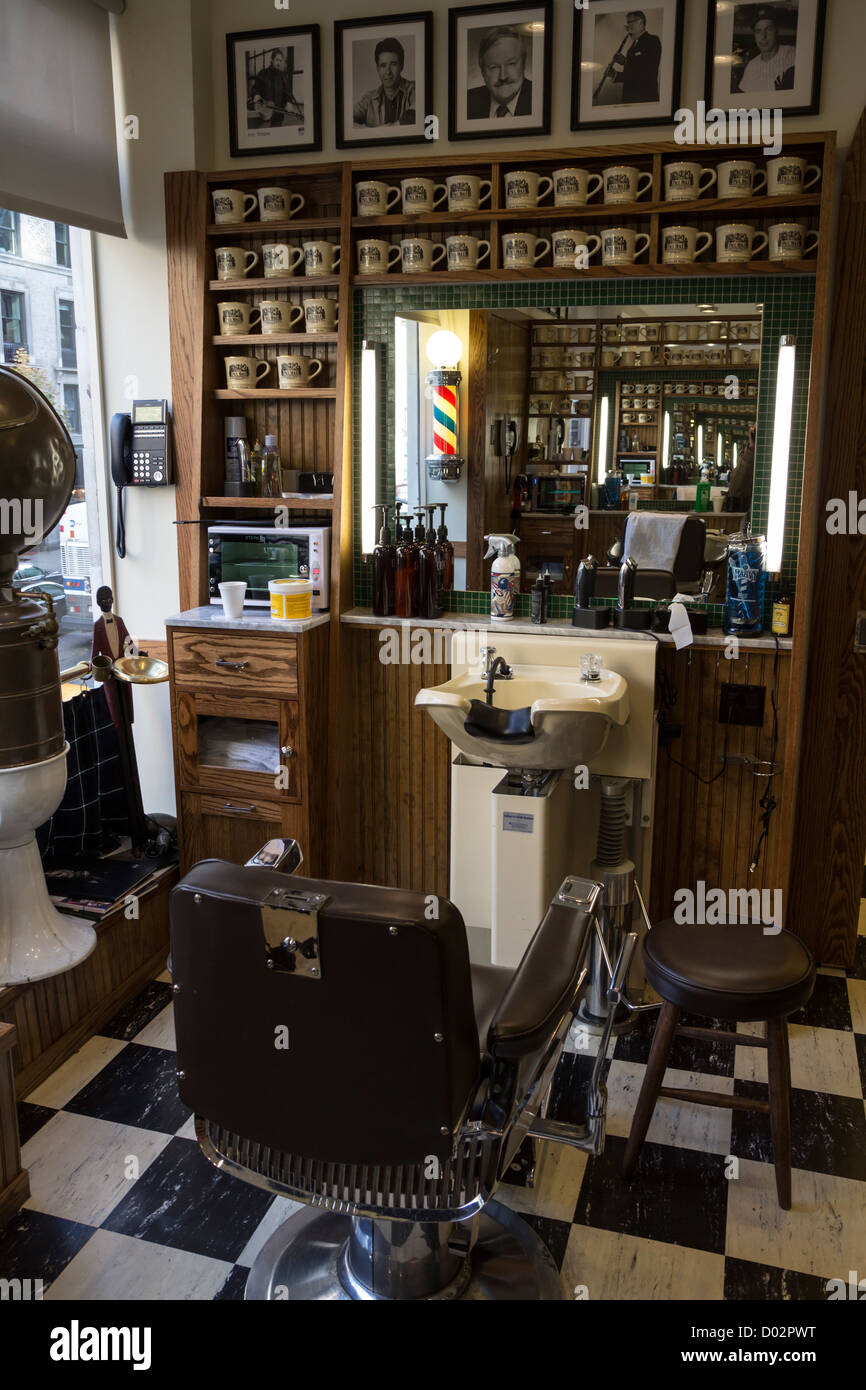
Grooming spaces must also prioritize the organized handling and placement of cleaned tools. company website Tools that have been disinfected or washed should be maintained in a protected, dry find out here now space to reduce recontamination. Designated cases, UV storage boxes, or sealed containers can shield equipment from environmental microbes. Additionally, groomers should implement the habit of marking disinfected tools and rotating them regularly to maintain consistent sanitation standards. A systematic process to tool management not only strengthens security but also shows professionalism to clients.
Educating barbers on proper hygiene procedures is another key element in ensuring hygiene benchmarks. Stylists and salon employees should receive instruction on safe hand sanitation, use of protective gloves, and the sanitizing of high-touch surfaces such as chairs, counters, and washbasins. Ongoing instruction sessions and inspections help ensure that sanitation standards remain consistent across the shop. Educating staff about the dangers of microbial transfer and the value of following procedures grooming tips from barbers encourages a culture of hygiene and professionalism within the grooming establishment.
Ongoing inspection and care of sterilization devices also support sanitation standards. Sterilizers, vibration cleaners, and sanitizing solutions must be monitored for efficiency, and any faulty devices should be replaced immediately. Using a written cleaning plan and recording accurate logs of maintenance cycles additionally supports regulatory conformity with municipal health regulations. By integrating correct instrument cleaning, systematic management, workforce instruction, and tool upkeep, hair salons can achieve a professional, organized environment that supports the well-being of all customers.